

If you have a sensitive scalp, you already know the feeling — tenderness when you touch certain areas, soreness after wearing your hair up, or discomfort that builds throughout the day.
What many people don’t realize is that styling habits often play a bigger role than expected.
Yes, hairstyles can make a sensitive scalp worse — especially when they rely on tension, rigidity, or prolonged pressure. The good news? Small changes in how you style your hair can significantly reduce daily discomfort.
Understanding the connection between styling and scalp sensitivity is the first step toward relief.
What Does a Sensitive Scalp Feel Like?
A sensitive scalp can show up in different ways.
Common signs include:
-
Tenderness when brushing or touching hair
-
Soreness after wearing tight styles
-
Pressure or aching at the crown
-
Increased discomfort by the end of the day
-
Relief once hair is taken down
These symptoms are often linked to tension rather than underlying conditions.
Why Is the Scalp So Sensitive to Tension?
The scalp contains a dense network of nerves and small muscles connected to hair follicles. When hair is pulled or compressed repeatedly, those structures respond.
Prolonged tension can:
-
Reduce circulation in certain areas
-
Create pressure points
-
Irritate follicles
-
Cause inflammation-like tenderness
Over time, even moderate tension can feel amplified.
Which Hairstyles Are Most Likely to Trigger Sensitivity?
Certain styles are more likely to increase scalp discomfort.
These include:
-
Tight high ponytails
-
Firm buns pulled upward
-
Slicked-back styles with strong hold
-
Styles secured tightly at one focal point
-
Heavy updos worn all day
The common factor is concentrated tension.
How Placement Affects Scalp Comfort
Where you place a hairstyle matters just as much as how tight it is.
High placements at the crown:
-
Increase downward pull
-
Concentrate weight in one area
-
Amplify strain on follicles
Lower placements:
-
Distribute tension more evenly
-
Feel more balanced
-
Reduce stress on sensitive zones
Small shifts in placement can noticeably improve comfort.
Can Hair Accessories Make Sensitivity Worse?
Yes — especially if they’re rigid or poorly balanced.
Hair accessories that may increase scalp sensitivity:
-
Hard, inflexible clips
-
Overly tight elastics
-
Heavy designs
-
Clips with uneven pressure distribution
Even if they feel secure at first, discomfort can build gradually.
Why Rigid Hair Clips Can Aggravate a Sensitive Scalp
Rigid clips resist movement. As you move throughout the day, a stiff accessory stays fixed, creating consistent pressure in the same area.
This can lead to:
-
Pinching sensations
-
Pressure headaches
-
Soreness at contact points
-
A constant urge to readjust
Flexibility reduces this resistance.
How Flexible Styling Helps Sensitive Scalps
Flexible hair accessories adapt slightly under pressure instead of fighting it.
This helps by:
-
Allowing micro-movement
-
Reducing sharp pressure points
-
Distributing tension evenly
-
Supporting longer wear
Instead of clamping down, flexible designs support gently.
What Are the Signs Your Hairstyle Is Too Tight?
If you experience:
-
Immediate tension when styling
-
Redness at the hairline
-
A pulling sensation
-
Pain when touching your scalp
-
Relief after removing the style
your hairstyle may be too tight.
Comfort shouldn’t feel like endurance.
How to Style Hair Gently With a Sensitive Scalp
Making adjustments doesn’t mean sacrificing style.
Consider:
-
Loosening buns and twists slightly
-
Rotating where you secure your hair
-
Choosing lower placements
-
Avoiding all-day tension
-
Selecting lighter, flexible accessories
These changes reduce cumulative stress.
Why Comfort-First Design Matters More for Sensitive Scalps
For sensitive scalps, the difference between rigid and flexible construction is more noticeable.
Comfort-first design focuses on:
-
Balanced spring tension
-
Even pressure distribution
-
Lightweight materials
-
Shapes that follow the natural curve of the head
These factors work together to reduce strain.
How Mello Supports Sensitive Scalp Styling
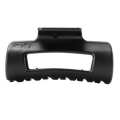
Mello hair clips are engineered with flexibility in mind. Instead of hard, brittle materials, Mello uses CloudFlex™ — designed to bend slightly under pressure while maintaining structure.
This approach:
-
Reduces concentrated tension
-
Feels lightweight for long wear
-
Adapts to natural movement
-
Supports everyday styling without aggressive grip
For sensitive scalps, thoughtful construction matters.
Why Small Changes Create Long-Term Relief
Scalp sensitivity is often cumulative. It’s not just one tight hairstyle — it’s repeated tension over weeks and months.
When you:
-
Reduce daily pulling
-
Choose gentler accessories
-
Adjust placement
-
Prioritize comfort
You gradually lower overall stress on the scalp. Consistency makes the difference.
A Softer Way to Style
Hairstyles shouldn’t leave you counting the minutes until you can take your hair down. If you have a sensitive scalp, your styling habits may need refining — not abandoning.
Gentler choices support both comfort and long-term hair health.
Explore comfort-first hair accessories designed to support sensitive scalps — with Mello.