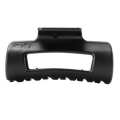


Delicate hair needs a different kind of care. Whether your hair is fine, fragile, prone to breakage, or easily weighed down, the wrong hair clip can quietly cause more damage than you realize. Pulling at the roots, slipping throughout the day, or creating pressure points are common issues — and they’re often tied directly to the type of clip you’re using.
With so many styles available, it’s worth understanding how different hair clips actually interact with delicate hair. Claw clips, banana clips, and alligator clips may look similar at first glance, but they function very differently — especially when comfort and hair health matter.
What Makes Hair “Delicate” in the First Place?
Delicate hair isn’t defined by one trait alone. It often includes hair that:
-
Is fine or low-density
-
Breaks easily at the root or mid-length
-
Loses volume when weighed down
-
Shows creases quickly
-
Feels sensitive to tension or pressure
-
Becomes sore or uncomfortable in tight styles
For this hair type, styling tools need to support gently — not grip aggressively.
Why Does the Type of Hair Clip Matter for Delicate Hair?
Delicate hair responds quickly to stress. When tension is concentrated in one area or a clip relies on force to stay in place, strands can stretch, weaken, or snap over time.
The right clip should:
-
Distribute weight evenly
-
Hold hair securely without pulling
-
Feel lightweight during long wear
-
Avoid sharp edges or tight clamping
-
Allow some natural movement
This is where the differences between clip types become important.
How Do Alligator Clips Work for Delicate Hair?
Alligator clips are typically long, narrow, and spring-loaded, designed to grip hair tightly in one direction. They’re often used for sectioning or short-term styling.
Pros
-
Good for temporary hold
-
Helpful during styling or drying
-
Can grip small sections well
Cons for Delicate Hair
-
Concentrate pressure in a narrow area
-
Often clamp too tightly
-
Can create sharp creases
-
Not designed for long-term wear
-
May pull at fine roots
Bottom line:
Alligator clips are best reserved for styling moments — not all-day wear, especially if your hair is delicate or sensitive.
Are Banana Clips a Good Option for Delicate Hair?
Banana clips are curved and elongated, designed to hold hair in a ponytail-like shape while distributing weight across a larger surface.
Pros
-
Spread hair across a wider area
-
Can create volume without elastics
-
Less creasing than tight ties
Cons for Delicate Hair
-
Often rigid and inflexible
-
Can feel bulky or heavy
-
May still rely on tension to stay secure
-
Can pull at the crown if overfilled
Bottom line:
Banana clips can work for some delicate hair types, but comfort depends heavily on material, flexibility, and weight.
Why Are Claw Clips Often the Best Choice for Delicate Hair?
When designed well, claw clips offer the most balanced support for delicate hair.
Unlike narrow or rigid clips, a claw clip gathers hair gently and distributes tension more evenly across the scalp.
Why claw clips work better
-
Support hair instead of compressing it
-
Allow flexible placement
-
Reduce pulling at the roots
-
Feel lighter during extended wear
-
Adapt to natural head shape
That said, not all claw clips are created equal. For delicate hair, design details matter.
What Should Delicate Hair Look for in a Claw Clip?
If your hair is fragile or easily stressed, look for a claw clip that prioritizes comfort:
-
Flexible materials that bend slightly instead of staying rigid
-
Balanced tension rather than tight clamping
-
Lightweight construction to avoid downward pull
-
Smooth edges that won’t snag or scrape
-
Curved shape that follows the head naturally
A claw clip that relies on force will cause the same issues as any other clip — just in a different form.
How Does Clip Design Affect Breakage and Comfort?
For delicate hair, breakage often happens quietly. It’s not always immediate — it builds with repeated stress.
Poor clip design can lead to:
-
Weak points at the root
-
Hair snapping during removal
-
Tenderness after wearing hair up
-
Loss of volume over time
Comfort-first design reduces these risks by supporting hair rather than restraining it.
Where Does Mello Fit Into This Comparison?
Mello was created specifically to address the discomfort and damage many people experience with everyday hair clips — especially those with delicate hair.
Instead of rigid plastic or aggressive springs, Mello focuses on:
-
Soft, flexible materials that move with hair
-
Even tension distribution to reduce stress
-
Lightweight feel for all-day comfort
-
Curved, ergonomic shape that rests naturally
-
Smooth, refined edges that protect fragile strands
For delicate hair, this approach helps minimize pulling, pressure, and breakage while still offering reliable hold.
Mello doesn’t overpower delicate hair — it supports it.
So, Which Hair Clip Is Best for Delicate Hair?
Here’s the simple takeaway:
-
Alligator clips: best for temporary styling only
-
Banana clips: can work, but comfort varies by design
-
Claw clips: the most versatile and gentle option when designed thoughtfully
For delicate hair, the goal isn’t maximum grip — it’s balanced support.
Ready to Choose a Gentler Hair Clip?
Delicate hair benefits from tools that feel light, flexible, and easy to wear. When your clip supports your hair instead of pulling against it, styling becomes simpler — and far more comfortable.
If you’re looking for a comfort-first option designed with delicate hair in mind, it may be time to rethink the clip you reach for every day.