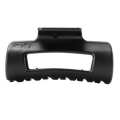


If you’ve ever taken your hair down at the end of the day and felt immediate relief, you’re not imagining it. Head pressure from hair clips is a common experience — and it’s often caused by the way everyday accessories apply tension, weight, and force to the scalp. While hair clips are meant to make styling easier, the wrong design can quietly create discomfort that builds over time.
Understanding why head pressure happens — and how a softer, more thoughtful design changes the experience — can completely transform how comfortable your daily styling feels.
What Does Head Pressure From Hair Clips Actually Feel Like?
Head pressure doesn’t always show up as sharp pain. More often, it’s subtle and gradual, which makes it easy to ignore until it becomes distracting.
Common sensations include:
-
A dull, tight feeling around the crown
-
Pressure behind the ears
-
Tenderness where the clip sits
-
A heavy sensation pulling backward
-
Relief as soon as the clip is removed
-
Needing to readjust your clip throughout the day
These signals are your scalp responding to uneven tension or sustained pressure — not something you should have to tolerate from a simple accessory.
Why Do Some Hair Clips Create So Much Pressure?
Head pressure usually isn’t about wearing a hair clip — it’s about how that clip is designed.
1. Rigid Materials That Don’t Flex
Hard plastic clips rely on force to hold hair in place. Without flexibility, the clip presses into the scalp instead of adapting to your head’s natural shape. Over time, this constant pressure builds discomfort.
2. Overly Tight Springs
A spring that’s too tight clamps down aggressively. While it may feel secure at first, that excessive tension concentrates pressure in one area — especially around the crown or nape.
3. Uneven Weight Distribution
Some clips grip hair tightly in one spot while leaving other areas unsupported. This imbalance causes pulling and strain, leading to pressure that increases as the day goes on.
4. Heavy Clip Construction
Weight matters. A heavy clip adds downward force, especially when holding long or thick hair. This extra load puts stress on the scalp rather than supporting the hair gently.
5. Poorly Shaped Designs
Flat or angular clips don’t follow the natural curve of your head. When a clip doesn’t sit naturally, it presses where it shouldn’t — creating discomfort even if it looks fine.
Why Does Head Pressure Get Worse Over Time?
Head pressure tends to build because hair and scalp are dynamic. As you move, your hair shifts — but rigid clips don’t. Instead of adapting, they resist movement, increasing tension little by little.
Over hours, this can result in:
-
Heightened scalp sensitivity
-
Constant awareness of the clip
-
The urge to loosen or remove it
-
Discomfort that distracts you from your day
A hair clip should fade into the background, not demand your attention.
Are Certain Hair Types More Prone to Head Pressure?
Yes — but not for the reasons most people think.
-
Thick hair adds weight, which increases pressure when held by rigid clips
-
Long hair creates downward pull that intensifies strain
-
Fine hair is more sensitive to tight tension and pressure points
-
Curly or textured hair can get caught in rough edges, adding friction
-
Sensitive scalps respond quickly to even small pressure changes
The common thread isn’t hair type — it’s how the clip handles tension.
What Should a Comfortable Hair Clip Feel Like?
A well-designed hair clip shouldn’t feel like it’s “holding” your hair through force. Instead, it should feel balanced and supportive.
Comfort-first clips share a few key traits:
-
Flexibility that allows movement
-
Balanced tension instead of tight clamping
-
Lightweight construction
-
Curved shapes that follow the head naturally
-
Smooth edges that avoid friction
When these elements work together, head pressure is dramatically reduced — even during all-day wear.
How Does a Softer Design Change the Experience?
A softer design doesn’t mean weaker hold. It means smarter engineering.
Here’s what changes when flexibility replaces rigidity:
-
Pressure is distributed evenly instead of concentrated
-
Hair rests naturally instead of being forced into position
-
The clip adapts as you move
-
The scalp experiences less strain over time
-
Comfort lasts longer — without constant adjustments
The result is a hold that feels secure but gentle, supportive but unobtrusive.
How Does Mello Approach Head Pressure Differently?
Mello is built around a simple idea: hair accessories should feel as good as they look. That starts with eliminating the most common sources of head pressure found in traditional clips.
Mello’s comfort-first approach focuses on:
Soft, Flexible Materials
Instead of rigid plastic, Mello uses materials designed to bend slightly with movement — reducing pressure against the scalp.
Balanced, Gentle Tension
The hold is secure without being tight. Tension is spread evenly so no single point absorbs all the force.
Lightweight Feel
Less weight means less downward pull — especially important for long or thick hair.
Curved, Ergonomic Shape
Designed to follow the natural contour of your head, so the clip sits comfortably without digging in.
Smooth, Refined Edges
No snagging, no pulling — just a seamless experience from placement to removal.
Mello doesn’t rely on force to keep hair in place. It relies on thoughtful design.
When Should You Switch to a Softer Hair Clip?
If you’ve ever experienced:
-
Persistent head pressure
-
Tenderness after wearing a clip
-
Relief the moment you take your hair down
-
The need to constantly readjust
-
Discomfort behind the ears or crown
…it’s a clear sign your clip isn’t supporting you properly.
A softer, comfort-first clip can make everyday styling noticeably lighter and more enjoyable.
Ready for a Hair Clip That Doesn’t Create Pressure?
Your hair accessory shouldn’t be the reason your head feels tense. When a clip is designed around flexibility, balance, and comfort, it becomes something you forget you’re wearing — in the best way.
If you’re ready to experience a gentler, more thoughtful approach to everyday styling, there’s a better option to explore.
Discover premium, comfort-first clips with Mello.