

Summary
-
Tight Hair Accessories Can Contribute to Tension Headaches: A hairstyle that pulls consistently at the scalp can play a role in the dull, nagging headache you notice by mid-afternoon.
-
The Pressure Builds Over Time, Not Instantly: A clip that feels fine at 9AM can feel very different by 3PM as tension adds up.
-
It's Not Always About How Tight You Twisted It: A clip's shape, prongs, and construction affect pressure just as much as your styling habits.
-
Sizing Plays a Bigger Role Than People Expect: A clip that's too small for your hair often gets over-tightened just to close properly.
-
A Flexible, Properly Sized Clip Can Help Reduce Unnecessary Tension: Support without forcing your hair into a rigid, tight shape can make a noticeable difference by the end of the day.
Why Your Hair Clip Shouldn't Give You a Headache by 3PM
Can a Hair Clip Actually Cause a Headache?
A hair clip can contribute to a headache when it creates ongoing tension or pressure at the scalp, often around the temples or the crown, a pattern sometimes referred to as a tension-type or "ponytail" headache. It's not that every hair clip causes headaches, but a clip that's too tight, poorly sized, or made from a rigid, unyielding material can add pressure that builds throughout the day, particularly if you're wearing it for many hours at a time.
If your head starts aching by mid-afternoon and easing up once you take your hair down, your clip is worth a closer look.
Why It's Worse by the Afternoon, Not the Morning
A clip that feels completely fine when you first put your hair up doesn't necessarily feel the same way six hours later. Tension from a hairstyle tends to be cumulative. A small amount of pressure that goes unnoticed for the first hour can become a dull, persistent ache by mid-afternoon, especially if you've been sitting, leaning back, or resting your head against something for parts of the day.
This is part of why the timing pattern is so common. It's rarely the clip itself causing an immediate problem. It's the hours of steady pressure adding up before you notice it.
Where the Pressure Actually Builds Up
A few things typically contribute to this kind of tension. How tightly your hair is twisted before securing it matters, but so does the clip itself: how rigid the material is, how the prongs are shaped, and whether the clip is putting concentrated pressure on one or two points rather than distributing it more evenly.
A rigid clip that doesn't give at all under pressure tends to keep pushing back against your scalp the same way all day. A flexible clip, by comparison, is designed to compress slightly under pressure rather than holding a fixed, unyielding shape against your head.
Is It the Clip or How Tightly You're Styling Your Hair?
It's usually a combination of both. Even a well-designed clip can create tension if your hair is twisted unnecessarily tight before it goes in. But a clip that's too small or too rigid for your hair can also force you into styling it tighter than you normally would, just to get it to close and hold properly.
That's an important distinction. Loosening your hairstyle helps, but if you're compensating for a clip that isn't sized or built for your hair in the first place, the tension tends to come back the next time you put it up.
Signs Your Clip Might Be Part of the Problem
A few patterns are worth paying attention to. A dull ache that starts around your temples or the crown of your head partway through the day. Tenderness when you press near where the clip sits. Headaches that ease noticeably within a few minutes of taking your hair down. A habit of loosening or repositioning your clip throughout the day without really thinking about why.
None of these on their own confirm the clip is the cause, but together they're a reasonable sign that it's worth changing something about how, or with what, you're putting your hair up.
How a Flexible, Properly Sized Clip Can Help
Two things tend to matter most here: flexibility and sizing. A clip that flexes rather than staying completely rigid can reduce the concentrated pressure points that build over a long day, since it isn't pushing back against your scalp with the same fixed force the entire time.
Sizing matters just as much. A clip that actually matches the amount of hair you're putting into it doesn't require you to twist your hair tighter than necessary just to make it close. Between the two, a lot of unnecessary tension can be avoided before it ever becomes a headache.
Other Habits Worth Adjusting Too
The clip isn't the only variable. Giving your hair a break partway through a long day, even just loosening it for a few minutes, can relieve built-up tension before it turns into a headache. Alternating between a few different hairstyles rather than wearing the exact same tight style every day can also help, since it gives the same pressure points a break rather than repeating the same stress in the same spot day after day.
If headaches are frequent, severe, or happening regardless of what you're doing with your hair, it's worth mentioning to a doctor rather than assuming a hair accessory is the only factor at play.
Mello's Approach to Lower-Tension Hold
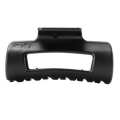
Mello Clips use flexible CloudFlex™ construction designed to compress under pressure rather than stay rigid against your scalp all day. Curved, inward-facing prongs are built to close gently instead of digging in, and with Mini, Classic, and Jumbo sizes available, you can match the clip to your hair instead of forcing your hair to fit whatever size you happen to have.
None of this guarantees a headache-free afternoon, since tension headaches can have a lot of contributing factors. But reducing the unnecessary pressure coming from your hair accessory is one part of the day that's actually within your control.
Your Hair Clip Shouldn't Be Something You Notice by 3PM
A good hair clip should fade into the background of your day, not become something you're aware of by the time you're heading home. If you're consistently noticing tension, pressure, or a dull headache by mid-afternoon, it's worth looking at both how tightly you're styling your hair and whether your clip is actually built and sized for it.
If you're ready to try a lower-tension option, Mello Clips are worth considering, especially if 3PM has become the time you start counting down until you can take your hair down.