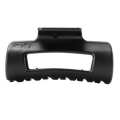


A sore scalp isn’t just uncomfortable — it can interrupt your day, make styling stressful, and create a cycle of tension you start to expect every time you wear your hair up. While it may feel random, scalp soreness is often linked to the way your hair is styled and the tools you use. Many everyday accessories pull too tightly, place pressure in all the wrong spots, or rely on rigid materials that work against your hair.
The good news: most scalp soreness can be reduced simply by understanding what’s causing it — and choosing gentler, low-tension tools that support comfort instead of strain.
Why Does Your Scalp Feel Sore After Wearing Your Hair Up?
Scalp soreness is almost always tied to tension. When a hairstyle pulls at the root or concentrates pressure in one area, the scalp reacts. Over time, this can create tenderness, redness, or even headaches.
Here are the most common styling-related reasons your scalp feels sore:
1. Tight Ponytails and Elastic Hair Ties
Elastics compress the hair into a tight focal point, creating strain at the root. This constant pressure can lead to soreness — especially if worn for long hours or during movement.
2. Rigid Clips or Barrettes
Hard plastic clips that don’t flex can dig into the scalp, especially near the crown or behind the ears. Without give, they hold hair in place by force rather than balance.
3. Heavy Accessories
Weight plays a major role. A heavy clip can tug downward throughout the day, increasing pressure at the root and causing fatigue in the scalp’s soft tissue.
4. Uneven Tension Distribution
Some tools hold hair tightly in one area and loosely in another. This inconsistency causes localized pressure, which the scalp translates into soreness.
5. Styles That Pull in the Same Direction All Day
High ponytails, tight buns, and sleek pulled-back styles keep the hair in one fixed direction. This prevents the scalp from relaxing or redistributing strain naturally.
6. Removing Hair Ties Aggressively
Snagging, pulling, and friction at the removal stage can create irritation that lingers, especially around sensitive areas.
Understanding the root cause makes it easier to choose accessories that won’t trigger discomfort in the first place.
Are Certain Hair Types More Prone to Scalp Soreness?
Yes. While anyone can experience a sore scalp, certain hair types are more sensitive to tension:
-
Fine hair: More prone to breakage and scalp strain due to lighter density
-
Curly or textured hair: Can snag easily in rigid tools
-
Thick hair: Heavy weight makes certain updos more stressful on the scalp
-
Long hair: More mass means more downward pull when secured tightly
-
Sensitive or easily irritated scalps: React strongly to pressure or friction
The right tool can offset these vulnerabilities by offering softness, flexibility, and gentle control.
What Are the Signs That Your Hairstyle Is Causing Soreness?
If any of these sound familiar, your styling accessories may be the issue:
-
Tenderness when touching or brushing the roots
-
A “pulling” sensation during the day
-
Redness or irritation around tension points
-
Headaches after wearing a ponytail or bun
-
Relief the moment you take your hair down
-
Feeling like the clip or tie is “digging in”
-
Hair creasing sharply when removed
A comfortable hairstyle should never cause discomfort. If you feel it, your tool or technique needs adjusting.
How Can Softer, Low-Tension Clips Help Reduce Scalp Strain?
A claw clip is often one of the gentlest ways to secure hair — but only when it’s designed thoughtfully.
1. Flexibility Reduces Pressure
Soft, flexible materials move with your hair instead of forcing it into a rigid position. This adaptability helps prevent pressure points on the scalp.
2. Even Weight Distribution Matters
A well-designed clip spreads volume throughout the jaw rather than concentrating it at the root, minimizing strain in sensitive areas.
3. Curved Shapes Support Natural Head Contours
Curved, ergonomic clips follow the shape of your head, allowing hair to rest naturally without being forced flat.
4. Lightweight Clips Reduce Pulling
A clip that feels “barely there” won’t drag your hair down or tug at the scalp — a major cause of soreness.
5. Smoother Edges Protect the Hair Cuticle
Gentle edges help avoid friction and trapping, both of which can irritate the scalp over time.
When your clip is designed for comfort, every style becomes easier on your hair — and kinder to your scalp.
What Hairstyles Are Best for Avoiding Scalp Soreness?
These low-tension styles are ideal when your scalp needs a break:
The Loose Low Twist
Soft, secure, and anchored near the nape, where tension is minimal.
The Relaxed Half-Up
Lifts hair off the face without tightening the top section.
The Gentle Scoop-Up Updo
A loose claw-clip updo that prioritizes natural movement over rigidity.
The Volume-Friendly Clip Bun
Allows hair to sit comfortably instead of being forced into a compressed shape.
These styles maintain a polished look while prioritizing all-day comfort.
How Does Mello Solve the Tension Problems Traditional Clips Create?
This is where Mello naturally fits in: not as a fix for scalp issues, but as a thoughtful alternative for people who want styling without strain.
Mello’s comfort-first philosophy mirrors what sensitive scalps need most:
Soft, Flexible Materials
Mello clips move with your hair, reducing tension and preventing pressure points.
Balanced, Gentle Hold
Instead of clamping forcefully, they distribute weight evenly for a secure yet comfortable fit.
Curved, Scalp-Friendly Shapes
Designed to rest naturally against your head without digging in.
Lightweight Engineering
You get secure support without the heaviness that causes soreness throughout the day.
Smooth, Rounded Edges
No snagging. No pulling. Just soft, seamless movement from morning to night.
Mello doesn’t mask the problem — it eliminates the common sources of strain by rethinking what a hair clip should feel like.
Ready for Hairstyles That Don’t Leave Your Scalp Sore?
A comfortable hairstyle should help you move through your day — not hold you back. When your tools support softness, balance, and flexibility, everything feels lighter, easier, and more enjoyable.
If you're ready to switch to a gentler, more scalp-friendly way of styling, consider exploring tools designed around comfort first.
Discover premium, comfort-first clips with Mello.