


Dry hair is usually treated as a problem to fix — something to mask with heavier products or occasional treatments. But in many cases, dryness isn’t just about what your hair lacks. It’s about how your hair is being handled every day.
Dry hair is often a form of feedback. It’s your hair responding to cumulative stress, friction, and tension from routines that may no longer be serving it. When you start listening to those signals, it becomes easier to make small changes that lead to long-term comfort and resilience.
What Does Dry Hair Actually Feel Like?
Dry hair can show up differently for everyone, but common signs include:
-
Rough or brittle texture
-
Reduced shine
-
Increased tangling
-
Hair that snaps instead of stretches
-
Styles that don’t last or feel uncomfortable
These signs often appear gradually — which is why they’re easy to overlook.
Why Dry Hair Is More Fragile Than It Looks
Healthy hair has elasticity. It bends, moves, and adapts. Dry hair lacks that flexibility.
When hair is dry:
-
Strands don’t stretch as easily
-
Breakage happens more quickly
-
Friction causes more damage
-
Tension feels more intense
This makes dry hair more sensitive to daily styling habits, even ones that seem harmless.
What Dry Hair Might Be Telling You About Your Routine
1. Your Hair Is Experiencing Too Much Tension
Dry hair doesn’t tolerate pulling well.
If you wear:
-
Tight buns or ponytails
-
Styles pulled in the same direction daily
-
Accessories that clamp aggressively
Your hair may be signaling that it needs gentler support, not stronger hold.
2. Friction Is Playing a Bigger Role Than You Think
Dry hair has rougher cuticles, which increases friction.
Repeated friction can come from:
-
Rigid hair accessories
-
Rough materials
-
Constant adjusting throughout the day
Over time, this friction contributes to breakage and dullness.
3. Your Hair Needs More Flexibility, Not Control
Many routines prioritize control — sleekness, tight hold, uniform styles.
Dry hair responds better to:
-
Flexible styling
-
Looser structures
-
Movement-friendly support
If hair feels stiff or uncomfortable when styled, that’s often a clue.
4. Weight and Pressure Are Adding Stress
Heavy tools and accessories put strain on dry hair, especially near the roots.
Pressure concentrated in one area:
-
Weakens fragile strands
-
Makes dryness more noticeable
-
Leads to soreness or discomfort
Dry hair benefits from lightweight, evenly balanced styling.
How Everyday Styling Habits Affect Dry Hair
Dry hair isn’t just influenced by washing routines — it’s shaped by what happens between washes.
Daily habits that impact dryness include:
-
How tightly hair is secured
-
How often styles are adjusted
-
Where pressure is placed
-
How long accessories are worn
These small factors compound over time.
Why Dry Hair Often Feels Worse in Certain Seasons
Environmental changes amplify existing dryness.
Cold weather, indoor heating, and low humidity:
-
Strip moisture from hair
-
Reduce elasticity
-
Increase static and friction
This makes gentle handling even more important during winter months.
Why Styling Tools Matter More for Dry Hair
Dry hair doesn’t need force — it needs support.
Styling tools that help dry hair:
-
Allow slight movement
-
Distribute pressure evenly
-
Reduce friction at contact points
-
Feel comfortable over long wear
Tools that rely on rigidity often make dryness worse.
How Hair Clips Can Affect Dry Hair
Hair clips don’t cause dry hair — but the wrong ones can increase damage.
Rigid or heavy clips may:
-
Bend dry strands sharply
-
Create pressure points
-
Catch or rub against hair
-
Add unnecessary stress during long wear
Gentler clips help reduce daily wear-and-tear.
Why Softer, Flexible Styling Supports Dry Hair
Flexible styling works with dry hair instead of against it.
Benefits include:
-
Less breakage from tension
-
Reduced friction over time
-
Greater comfort during long wear
-
Styles that feel easier to maintain
When hair feels supported, it’s handled less — which matters for dryness.
How to Adjust Your Routine When Hair Feels Dry
Small shifts often make the biggest difference.
Consider:
-
Loosening styles slightly
-
Rotating where hair is secured
-
Choosing lighter, flexible accessories
-
Avoiding all-day tension when possible
These changes help dry hair recover gradually.
Why Comfort Is a Key Signal of Healthy Styling
Discomfort often leads to more manipulation — pulling, redoing, adjusting.
When styling feels comfortable:
-
Hair is touched less
-
Stress stays lower
-
Breakage risk decreases
-
Routines feel more sustainable
Comfort isn’t just about feeling good — it’s preventative.
How Mello Fits Into a Gentler Dry Hair Routine
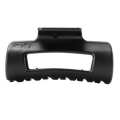
Mello is designed around everyday comfort — especially for hair that needs a softer approach.
Instead of rigid materials and aggressive grip, Mello focuses on:
-
Soft, flexible construction
-
Balanced hold that adapts
-
Lightweight feel
-
Shapes that follow the head naturally
This approach helps reduce the tension and friction that dry hair is especially sensitive to.
Listening Instead of Fighting Your Hair
Dry hair isn’t something to fight into submission. It’s a signal that something in your routine may need adjusting.
When you listen — and respond with gentler choices — hair often becomes easier to manage, more resilient, and more comfortable to style.
A Softer Way Forward for Dry Hair
Healthy-looking hair isn’t just about moisture. It’s about how hair is treated day after day.
Gentle routines create space for hair to recover.
Supporting Dry Hair Through Everyday Choices
Dry hair doesn’t need more control — it needs less stress.
Thoughtful styling habits, flexible tools, and comfort-first accessories help reduce the daily strain that leads to dryness over time.
Explore Mello’s comfort-first hair accessories designed to support dry hair gently →