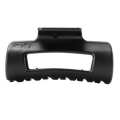


Long hair is beautiful — but styling it comfortably requires the right tools. Anyone with long hair has likely experienced the frustration of a hair clip that looks sturdy but slips out, collapses, or creates uncomfortable tension.
The truth is that long hair places different demands on a hair clip than shorter or finer hair. More length means more weight, more volume, and more pressure on whatever accessory is holding it in place.
A hair clip strong enough for long hair isn’t just about force. It’s about balance — combining the right size, structure, and flexibility so the clip can hold long sections of hair without creating unnecessary tension.
Why Long Hair Is Harder for Hair Clips to Hold
The longer your hair is, the more weight it carries. Even when hair isn’t particularly thick, added length increases the load placed on a hair accessory.
Long hair often means:
-
More total hair weight
-
Larger sections to secure
-
Increased movement throughout the day
-
Greater strain on the clip’s spring and structure
When a clip isn’t designed to support this weight, it will either slip or clamp too tightly in an attempt to hold everything together.
Does Clip Size Matter for Long Hair?
Size is one of the most important factors.
A hair clip that is too small forces you to compress your hair tightly to make it fit. This creates unnecessary tension and often leads to slipping because the hair is overpacked.
Clips designed for long hair should have:
-
A wide jaw opening
-
Enough interior space to hold larger sections
-
Longer teeth to anchor the hair securely
-
A shape that follows the curve of the head
The right size allows your hair to sit naturally inside the clip instead of being forced into place.
Why Spring Strength Is Important
Spring tension determines how firmly a hair clip closes.
For long hair, the spring must be strong enough to hold added weight but not so tight that it creates pressure at the scalp.
Balanced spring tension helps by:
-
Maintaining secure hold
-
Preventing the clip from opening under weight
-
Reducing pressure points
-
Allowing comfortable long wear
The goal is support, not squeeze.
Why Material Matters for Long Hair
Many traditional hair clips are made from rigid plastic. While they may feel sturdy initially, rigid materials don’t adapt well to the volume and movement of long hair.
Rigid clips can:
-
Create concentrated pressure points
-
Feel heavy on the scalp
-
Snap under excessive force
-
Resist natural movement
Flexible materials often perform better because they can adapt slightly under pressure.
A well-designed flexible clip can:
-
Adjust to larger sections of hair
-
Distribute tension more evenly
-
Maintain structure without brittleness
-
Feel more comfortable during extended wear
Strength doesn’t have to mean stiffness.
The Role of Tooth Design in Holding Long Hair
The teeth of a clip play a major role in how securely it holds.
Effective tooth design for long hair includes:
-
Deeper teeth that anchor layers
-
Smooth edges that prevent snagging
-
Even spacing to distribute hair weight
-
A shape that follows natural hair flow
Shallow or widely spaced teeth often struggle to grip long sections of hair properly.
Can Flexible Claw Clips Work for Long Hair?
Yes — and often they work better than rigid clips when designed properly.
A flexible claw clip can:
-
Adapt to the volume of long hair
-
Maintain hold without excessive squeezing
-
Reduce pressure buildup during long wear
-
Allow natural movement throughout the day
Flexibility allows the clip to support the hair instead of resisting it.
Hairstyles That Work Best With Clips for Long Hair
Certain styles naturally reduce strain on both the clip and the scalp.
Good options include:
Low twists
A low placement distributes weight evenly and prevents excessive pulling at the crown.
Relaxed claw clip updos
Loose twists allow the clip to support the hair without forcing it tightly together.
Half-up styles
These reduce the amount of hair the clip must hold while still creating shape.
Loose buns secured with clips
A relaxed bun keeps hair controlled without concentrating pressure in one spot.
These styles work with the natural weight of long hair instead of fighting it.
Signs Your Hair Clip Isn’t Strong Enough for Long Hair
If a clip isn’t designed for long hair, you may notice:
-
Hair slipping out frequently
-
The clip opening under pressure
-
Tension or soreness at the scalp
-
Constant need to readjust the style
These signs usually mean the clip is too small, too rigid, or not balanced in its tension.
Why Comfort Matters for Long Hair
Long hair styles are often worn for many hours at a time — during workdays, travel, or social events. When a clip concentrates pressure in one area, discomfort can build slowly throughout the day.
Comfort-focused clips help by:
-
Distributing weight more evenly
-
Reducing scalp strain
-
Supporting thicker sections of hair
-
Allowing longer wear without soreness
The best clips for long hair hold securely while still feeling lightweight.
How Mello Designs Hair Clips for Long Hair
Mello clips are designed with flexibility and comfort in mind — two qualities that become especially important for long hair.
Using CloudFlex™ engineered material, Mello clips are designed to:
-
Flex slightly under pressure
-
Support larger sections of hair
-
Maintain balanced hold
-
Feel lightweight even with longer hair lengths
This combination helps distribute the weight of long hair more comfortably while still keeping styles secure.
Strength Without the Strain
Long hair requires more from a hair clip, but strength shouldn’t come at the expense of comfort. The right clip supports the natural weight of your hair while allowing flexibility and movement.
When size, structure, and material work together, styling long hair becomes much easier.
A Better Way to Secure Long Hair
The best hair clips for long hair are designed to hold more while stressing less. With balanced structure and flexible support, you can secure your hair comfortably and confidently.
Explore comfort-first hair clips designed to support long hair with ease — with Mello.