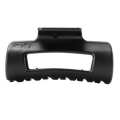


Claw clips are often marketed as “flexible,” but in reality, many still feel stiff, heavy, or uncomfortable after a few hours of wear. If you’ve ever put one in and immediately felt pressure at your scalp — or found yourself taking it out halfway through the day — the issue likely isn’t the style. It’s the design.
A truly flexible claw clip should support your hair without forcing it into place. It should move with you, adapt to your hair’s natural shape, and feel comfortable from morning to night. Knowing what to look for — and what to avoid — makes all the difference.
What Does “Flexible” Actually Mean in a Claw Clip?
Flexibility isn’t just about whether a clip bends slightly when you squeeze it. True flexibility is about how the clip behaves once it’s in your hair.
A genuinely flexible claw clip:
-
Adjusts to different hair volumes
-
Distributes pressure evenly
-
Moves subtly as you move
-
Holds hair without locking it rigidly
Flexibility should feel supportive, not restrictive.
Why Flexibility Matters for Everyday Wear
Hair and scalp aren’t static. Throughout the day, you move, tilt your head, adjust layers, and change positions. A rigid clip resists all of that — which is why discomfort builds.
Flexible claw clips:
-
Reduce pressure points
-
Feel lighter over long wear
-
Allow natural movement
-
Minimize pulling and tension
When a clip adapts instead of resists, styling becomes easier to live with.
What to Look for in a Flexible Claw Clip
1. Soft, Adaptive Materials
Material choice is one of the biggest indicators of real flexibility.
Look for materials that:
-
Bend slightly under pressure
-
Feel smooth, not brittle
-
Don’t snap back aggressively
Avoid clips that feel hard, glassy, or overly stiff in your hand — those often translate to discomfort on your head.
2. Even Pressure Distribution
A good flexible claw clip doesn’t clamp in one spot. It spreads hold evenly across the teeth and spring.
Signs of balanced pressure:
-
No single sore point after wear
-
Hair feels supported, not squeezed
-
Clip stays in place without tightening
Uneven pressure is one of the most common causes of scalp discomfort.
3. A Spring That Supports — Not Forces
The spring controls how a clip opens and closes. In flexible designs, the spring works with the material instead of overpowering it.
A well-designed spring:
-
Opens smoothly
-
Doesn’t snap shut aggressively
-
Maintains hold without over-compression
Overly strong springs often lead to tension and headaches.
4. Rounded, Thoughtful Tooth Design
The shape and spacing of the teeth matter more than most people realize.
Look for:
-
Rounded or softened edges
-
Teeth that follow a gentle curve
-
Spacing that grips without digging
Sharp or narrow teeth concentrate pressure and increase breakage risk.
5. Lightweight Construction
Weight adds up over time — especially in styles worn high or all day.
Lighter clips:
-
Feel less noticeable
-
Reduce downward pull
-
Are easier to forget you’re wearing
Flexibility and lightness often go hand in hand.
6. Shape That Follows the Head
A flexible clip should sit naturally against the curve of your head, not hover or dig in.
Well-shaped clips:
-
Feel stable without pressing
-
Adapt to different placements
-
Stay comfortable in both high and low styles
Poor shape often causes slipping or pressure points.
What to Avoid in a “Flexible” Claw Clip
Not everything labeled flexible actually is. Here’s what to watch out for.
1. Rigid Plastic That Only Looks Flexible
Some clips appear flexible but barely bend under pressure.
Avoid:
-
Hard, glossy plastics
-
Clips that feel brittle
-
Materials that don’t give at all
These clips may hold initially, but discomfort builds quickly.
2. Overly Strong Springs
A strong spring isn’t a sign of quality if it creates tension.
Red flags include:
-
Loud snapping when opening or closing
-
Immediate scalp pressure
-
A clamp-like feel
Comfortable hold doesn’t require force.
3. Sharp or Narrow Teeth
Teeth that dig into the scalp or hair create stress points.
Avoid:
-
Pointed edges
-
Thin, rigid teeth
-
Designs that pinch hair
These often lead to soreness or breakage.
4. Heavy, Bulky Designs
Large clips aren’t inherently bad — but unnecessary bulk adds strain.
Avoid:
-
Thick, weighty materials
-
Designs that feel top-heavy
-
Clips that pull downward
Flexibility should feel light, not cumbersome.
5. One-Size-Fits-All Claims
Hair varies widely. A clip that doesn’t adapt won’t work comfortably for everyone.
Be cautious of:
-
Extremely rigid shapes
-
Clips that don’t adjust to volume
-
Designs that only work in one placement
True flexibility supports variation.
How Do You Know If a Claw Clip Is Right for You?
The best test is wear time.
A flexible claw clip should:
-
Feel comfortable immediately
-
Stay comfortable for hours
-
Not require constant adjusting
-
Leave no soreness when removed
If you’re counting the minutes until you can take it out, it’s not flexible enough.
Why Flexible Claw Clips Align With Better Hair Care
Gentler styling reduces cumulative stress on hair and scalp.
Flexible clips:
-
Reduce unnecessary tension
-
Support natural movement
-
Minimize friction and pulling
-
Fit into preventative hair care routines
Comfort is often a signal of healthier styling.
Where Mello Fits Into Flexible Claw Clip Design
Mello was designed with flexibility as a core principle — not a feature added later.
Instead of rigid materials and aggressive tension, Mello focuses on:
-
Soft, flexible construction
-
Balanced springs
-
Lightweight feel
-
Shapes that follow the head naturally
This approach supports everyday wear — the kind that feels good hours later, not just in the mirror.
Choosing Flexibility With Intention
A flexible claw clip isn’t about trends or labels. It’s about how the clip behaves once it’s in your hair.
When flexibility is real, styling feels easier. More natural. Less distracting.
A Better Way to Hold Your Hair
The right claw clip should support your hair — not demand endurance. When materials, shape, and tension work together, comfort becomes effortless.
Explore flexible claw clips designed for comfort-first, everyday wear with Mello →